
Commercial Cleaning for Restaurants and Commercial Kitchens
Kitchen deep cleaning, dining rooms, dumpster pads and drive-throughs for restaurants that are inspected against the FDA Food Code.
- Inspection-focused
- Degreasing and drains
- Dumpster pad schedules
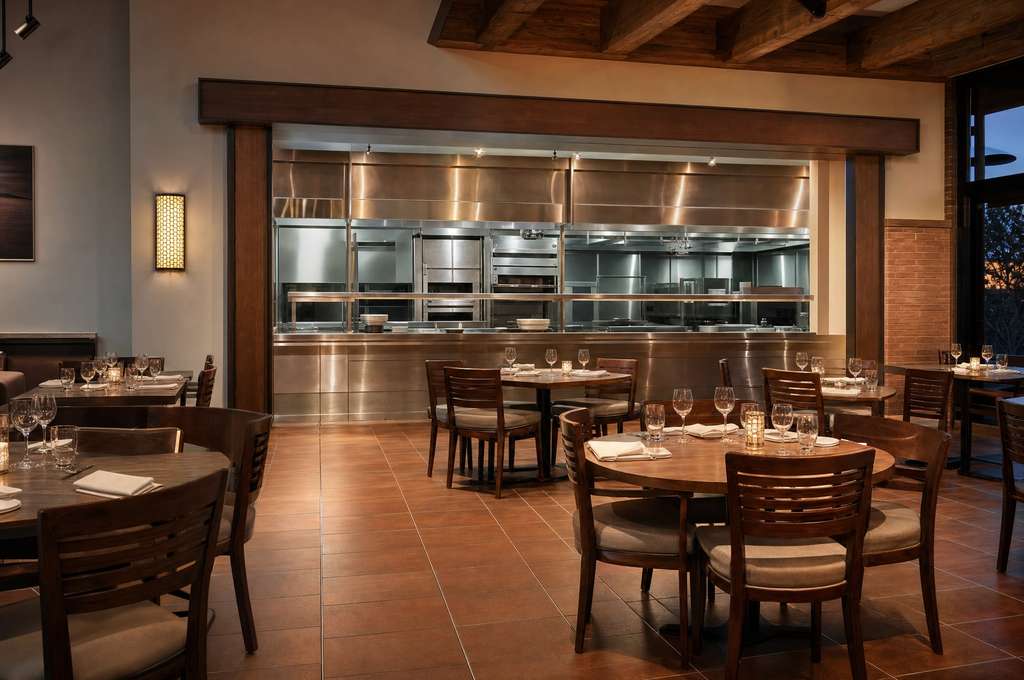
Restaurant cleaning is bought for inspection-readiness, not for tidiness. Florida restaurants and commercial kitchens are inspected by the DBPR Division of Hotels and Restaurants against the FDA Food Code, and the findings that cause real problems are almost always grease accumulation, floor and drain condition, and the surfaces behind the line that nobody reaches during service.
Facilities we service
-
-


What we clean in a commercial kitchen
Grease accumulation, floor and drain condition, and the surfaces behind the line produce most inspection findings. All three are reached by pulling equipment out, not by cleaning around it.
Two adjacent jobs sit deliberately outside our scope. Hood and duct cleaning to the NFPA 96 standard is a certified trade with its own credential, and grease-trap pumping belongs to a licensed hauler. We name both before a contract starts, because the version of that conversation which happens at an inspection is considerably worse.
- The cook line degreased, including behind and beneath equipment where accumulation actually builds.
- Walls, reachable ceilings and the hard surfaces a crew cannot get to during service.
- Floors and floor drains, the two items most likely to appear on a report.
- Equipment exteriors, shelving, walk-in surfaces and dry storage.
- Dining rooms, restrooms and entries on the same visit, or on a separate front-of-house schedule.
The exterior items that generate complaints
Dumpster pads and drive-through lanes are the highest-frequency repeat item on a restaurant property and the likeliest to draw a code complaint. Both run on a standing schedule through our pressure washing rather than reactively, once somebody has already called.
- Dumpster pads degreased and rinsed monthly or quarterly, set by volume and by how close the nearest residential neighbor sits.
- Drive-through lanes and order-point aprons, where tire traffic grinds spillage into the concrete.
- Patios, walkways and entry concrete, which read as front of house to anyone arriving.
- Grease-heavy kitchens on the Gulf beaches and around the Tarpon Springs Sponge Docks carry salt exposure on top of the traffic, which shortens every exterior cycle.
Restaurant Cleaning questions we get asked
What does commercial kitchen deep cleaning cover?
The line, walls, floors, drains, hard surfaces and equipment exteriors, degreased and detailed, with fixed equipment pulled out rather than cleaned around. It is scheduled overnight or on a closed day, and it is the work that closes the cleaning-related findings on an inspection report. Hood, duct and grease-trap work sit outside it, for the reasons in the two answers below.
Do you clean commercial kitchen exhaust hoods?
Hood and duct cleaning to the NFPA 96 standard is a separate certified trade and is not part of our scope. We provide kitchen deep cleaning: line, walls, floors, drains, hard surfaces and equipment exteriors. We would rather tell you that now than have it surface during an inspection.
Who is responsible for hood cleaning, the restaurant or the cleaning company?
The operator. NFPA 96, the fire code governing commercial kitchen exhaust, puts the duty to keep the system clean on the restaurant, not on any vendor. The work itself splits three ways: kitchen staff wipe the hood exterior and change filters day to day, a certified exhaust specialist cleans hood, duct and fan on a set cycle, and a kitchen cleaning company like us handles everything outside that system. The mistake that surfaces at inspections is assuming one of the three covers the other two, so ask each vendor to put in writing which part is theirs.
How do I get a restaurant ready for a health inspection?
Split the list by who can close each item. The cleaning-related findings — grease, floors, drains, the areas behind the line — are closed by a scheduled kitchen deep clean, and closed best when it runs on a cycle rather than the week the inspector is due. The operational findings — food handling, temperatures, storage, pest control — are yours, and the exhaust system's paperwork belongs to the certified hood contractor. A kitchen that can produce a deep-clean schedule, a hood certificate and a pest contract has answered most of what an inspection asks before anyone opens a fridge.
Can you clean overnight after the kitchen closes?
Yes. Kitchen deep cleaning is normally scheduled overnight or on a closed day, since the work needs equipment cool and the floor clear.
How often should a dumpster pad be cleaned?
For most restaurants a standing monthly or quarterly schedule keeps it ahead of both odor and code complaints. Sites with heavy volume or a tight residential neighbor usually need the shorter interval.